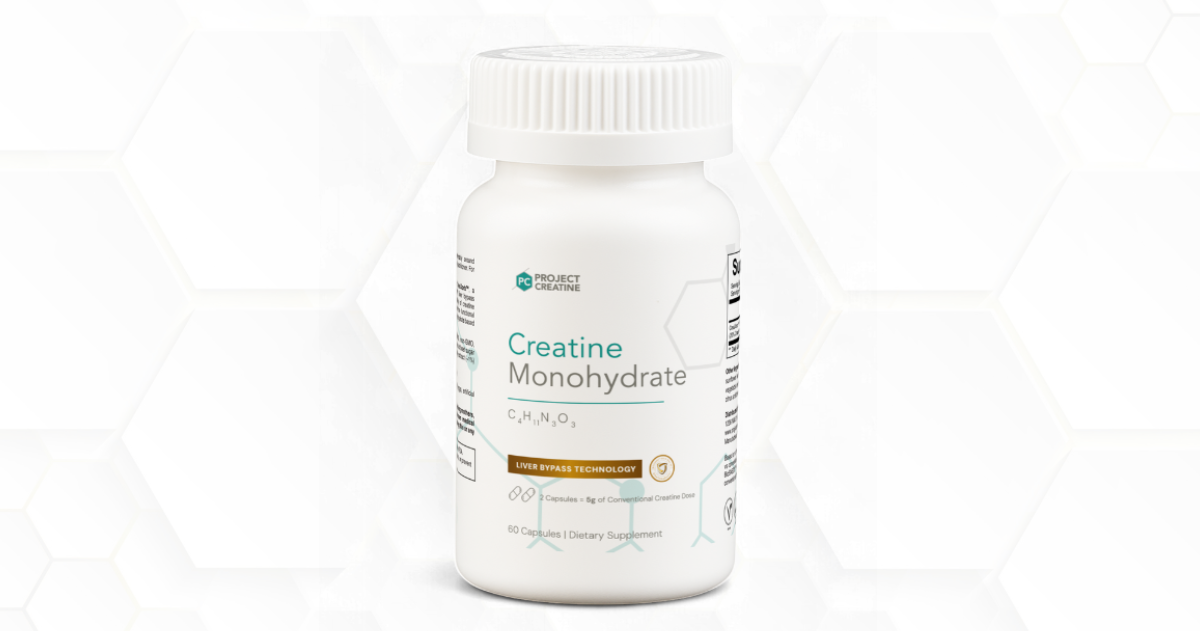
Does Creatine Help With Weight Loss? What the Science Says About Fat Loss, Muscle, and Metabolism.

Does creatine help with weight loss?

Creatine has earned its reputation as one of the most extensively researched supplements in sports nutrition. While it’s best known for increasing strength and supporting muscle growth, many people also ask whether creatine can help with weight loss. The answer is yes—but not in the way most people think. Rather than acting as a fat burner, creatine helps improve body composition by preserving lean muscle, enhancing workout performance, increasing training volume, and supporting recovery. Together, these benefits can make weight-loss programs more effective over time.

Research involving hundreds of clinical trials consistently shows creatine monohydrate is one of the safest and most effective dietary supplements ever studied. When combined with resistance training, it has repeatedly demonstrated improvements in lean muscle mass, strength, exercise performance, and recovery.

Emerging research suggests that creatine may indirectly support fat loss and body composition by enhancing exercise performance, supporting lean muscle mass, and improving metabolic efficiency. This article explores the science behind creatine, its relationship to body weight, and how it can fit into a weight-loss strategy for men and women, including the role of best creatine monohydrate capsules and formulations designed for women over 40.

Quick Summary

Creatine is widely known for supporting muscle growth, strength, and recovery, but it can also indirectly aid weight management. While it doesn’t burn fat directly, creatine enhances exercise performance, improves muscle preservation, and accelerates recovery, all of which support long-term fat loss. Both men and women, including those over 40, can benefit when combining creatine with structured resistance or high-intensity training. Proper hydration, consistent daily use, and high-quality supplements, such as best creatine monohydrate capsules, ensure maximum effectiveness. This guide explores the science, practical applications, and myths surrounding creatine and weight loss.

Key Takeaways

  • Creatine does not directly burn fat.
  • It helps preserve lean muscle during weight loss.
  • More muscle supports a healthier metabolism.
  • Creatine improves workout performance and recovery.
  • Weight gain during the first week is usually water inside muscle—not body fat.
  • Creatine works best alongside resistance training and proper nutrition.

What Is Creatine and How Does It Work?

Creatine is a naturally occurring compound stored primarily in skeletal muscle. It helps regenerate ATP (adenosine triphosphate), the energy molecule your cells use for high-intensity, short-duration activity. When taken as a supplement, creatine increases muscle stores of phosphocreatine, allowing for more powerful contractions and quicker recovery during repeated bouts of high-intensity exercise.

Creatine is available in powders, capsules, gummies, and other delivery formats. High-quality creatine monohydrate supplements provide consistent dosing and purity, making them a reliable choice for supporting strength, recovery, and body composition goals.

Can Creatine Help You Lose Weight?

Creatine is one of the most widely used and studied supplements in the world of sports and fitness. While it is primarily recognized for enhancing muscle strength, power, and recovery, many people wonder if it can also aid in weight loss. The short answer is that creatine does not directly burn fat, but it can play an important indirect role in supporting weight-loss goals through several mechanisms.

Better Workouts

One of the primary ways creatine supports weight management is by improving exercise capacity. When you supplement with creatine, your muscles store more phosphocreatine, which allows for rapid regeneration of ATP (adenosine triphosphate) during short, high-intensity activities. This increased energy availability enables you to train harder, lift heavier weights, and perform more repetitions, thereby increasing total caloric expenditure during your workouts.

For example, if someone typically performs three sets of resistance exercises to failure, creatine supplementation might allow them to add one or two more repetitions per set. Over weeks and months, these small increases in workload accumulate, leading to higher energy expenditure and potentially greater fat loss, even without changing diet. Additionally, creatine may help with high-intensity interval training (HIIT) by providing bursts of energy during repeated sprints or circuits, further contributing to calories burned.

Over time, this increase in training volume can contribute to greater calorie expenditure and improved body composition, especially when paired with a calorie-controlled diet.

More Lean Muscle

Another key benefit of creatine in weight management is its ability to help preserve lean muscle mass. Lean muscle is metabolically active tissue, meaning it requires more energy to maintain than fat tissue. Preserving muscle during weight loss helps support a healthier resting metabolic rate.

Supplementing with creatine while following a structured resistance training program can prevent muscle breakdown and, in some cases, promote muscle gain. This preservation or increase in muscle mass helps maintain or even slightly boost basal metabolic rate (BMR), which in turn supports long-term weight management. By protecting lean mass, creatine ensures that your body continues to burn calories efficiently, even outside of the gym.

Although creatine does not directly increase thermogenesis like caffeine or capsaicin, maintaining more lean muscle slightly increases resting energy expenditure over time. This means your body burns more calories each day simply by maintaining additional muscle tissue.

Faster Recovery

Creatine also aids in recovery after intense workouts. Faster recovery allows you to train more frequently and with higher intensity, both of which are critical factors in a sustainable fat-loss program. When muscles recover more efficiently, you are less likely to experience fatigue or soreness that could limit your training consistency. Over time, this consistency translates into improved body composition: more lean mass, less fat, and better overall metabolic health.

Some studies, such as those published on PubMed on the safety and efficacy of creatine supplementation in exercise, sport, and medicine, have shown that creatine supplementation alongside resistance training can improve body composition by increasing lean mass while maintaining or reducing fat mass over several weeks of training.

Missing workouts because of soreness or fatigue can slow fat-loss progress. Recovering faster helps you stay consistent, and consistency is one of the biggest predictors of long-term success.

Supporting Body Composition Changes

While creatine does not directly stimulate fat loss, research suggests that it supports changes in body composition. Individuals who combine creatine supplementation with resistance training often experience higher lean mass and lower body fat percentages over time. This is especially important because fat loss without maintaining muscle can leave the body weaker and with a lower metabolic rate, potentially leading to weight regain. Rather than helping you lose more weight, creatine helps you lose a greater percentage of fat while preserving lean muscle, leading to healthier improvements in body composition.

Why Some People Gain Weight After Starting Creatine

A common concern among new creatine users is the perception of weight gain. Many assume that creatine will make them heavier or add fat. In reality, any initial weight gain is typically not fat but is due to:

  • Water Retention: Creatine draws water into muscle cells, increasing intracellular water content. This can result in a modest increase in scale weight — usually 1–2 kilograms during the first week of supplementation. This is not harmful; rather, it is part of creatine’s mechanism for enhancing muscle performance and recovery.
  • Increased Muscle Mass: Over time, creatine supports gains in lean muscle mass through more effective resistance training. These gains may also reflect as weight increases on the scale, but they are beneficial for metabolism, strength, and overall body composition.

This type of weight gain is lean tissue and water—not fat—and contributes to better metabolic health, enhanced energy expenditure, and improved workout performance. Understanding this distinction can prevent unnecessary worry about initial weight changes when starting creatine. Many users notice the scale increase slightly during the first week while their waist measurements remain unchanged. This is a sign of increased water inside muscle cells—not an increase in body fat.

Does Creatine Help With Weight Loss for Women and Men?

Creatine is effective for both men and women in supporting fat-loss goals, particularly when combined with resistance training. However, the benefits may vary depending on age, hormonal status, and training intensity.

  • Women over 40: During perimenopause and menopause, women naturally lose muscle mass at a faster rate due to declining estrogen levels. Because muscle is a metabolically active tissue, this decline can make weight management increasingly difficult. Creatine supplementation combined with resistance training has been shown to help preserve lean muscle, improve strength, and support healthy aging, making it an excellent addition to a comprehensive wellness program.
  • Men: Creatine enhances the energy available for high-intensity training, supporting greater overall caloric expenditure. Increased lean mass also contributes to a higher basal metabolic rate, which can help achieve a leaner body composition over time.

For both men and women, creatine is most effective as part of a structured resistance or HIIT program. It is not a stand-alone fat-loss supplement but rather a tool to maximize performance, preserve muscle, and support sustainable body composition changes.

Why Creatine Matters Even More After 40

As we age, maintaining muscle becomes increasingly important for managing body weight. Adults naturally lose muscle mass over time, which can reduce metabolic rate and make fat loss more difficult. Creatine, combined with resistance training, helps support lean muscle, making it easier to preserve strength and maintain a healthier body composition while losing weight.

How to Use Creatine While Trying to Lose Weight

To optimize creatine supplementation for weight management, consider the following guidelines:

  1. Daily Dosage: 3–5 grams of creatine monohydrate per day is sufficient for most adults. This maintains muscle creatine stores without the need for excessive loading.
  2. Consistency Over Timing: While post-workout dosing may offer minor advantages, the key is consistent daily use to keep muscles saturated with creatine.
  3. Stay Hydrated: Creatine increases the water stored inside muscle cells. Drinking adequate water supports muscle function, workout performance, and overall recovery. Most healthy adults do not experience dehydration from creatine when fluid intake is adequate.
  4. Pair With Resistance Training: Combine creatine supplementation with structured strength or high-intensity interval training for maximum fat-loss and lean-mass benefits.
  5. Choose High-Quality Supplements: Using premium creatine supplements or the best creatine monohydrate capsules ensures purity, dosing accuracy, and effective results.

When incorporated properly, creatine enhances energy for workouts, helps preserve lean mass during caloric deficits, and can improve overall body composition.

Why Choose Project Creatine?

Not all creatine supplements are created equal. Project Creatine combines premium creatine monohydrate with advanced delivery technology designed to support consistent absorption, convenient capsule dosing, and exceptional quality standards. Whether your goal is improved body composition, better workout performance, or long-term wellness, choosing a high-quality creatine supplement can help you stay consistent with your routine.

 Best creatine monohydrate capsules

Common Myths About Creatine and Weight Loss

  1. Creatine makes you fat: False. Weight gain from creatine is mainly lean mass and water retention.
  2. Caffeine blocks creatine absorption: Minimal impact; creatine and caffeine work through different pathways.
  3. You’ll get bulky immediately: Muscle growth occurs gradually and is influenced by training stimulus, not just supplementation.
  4. Creatine only works for men: Research shows women, including those over 40, respond positively to creatine supplementation.
  5. It’s unsafe for long-term use: Long-term studies confirm creatine is safe for healthy adults when taken at recommended doses.

These creatine myths vs facts clarify misconceptions and help users make informed choices.

Who Should Consider Taking Creatine During a Weight-Loss Journey?

Creatine is suitable for anyone looking to enhance performance and preserve muscle while reducing body fat, including:

  • Women over 40 who want to maintain muscle mass and metabolic rate
  • Men and women engaging in resistance training or HIIT
  • Individuals seeking cognitive benefits alongside physical performance (creatine for brain energy)
  • Anyone looking for a daily creatine supplement to support muscle preservation during a calorie deficit

Project Creatine offers high-quality creatine monohydrate capsules that fit seamlessly into a daily routine while supporting strength, performance, and healthy aging.

Final Thoughts: Should You Use Creatine During Weight Loss?

Creatine is more than just a muscle-building supplement — it’s a tool that can support your fitness journey, whether your goal is strength, lean muscle retention, or improved body composition. While creatine does not directly burn fat, it helps preserve muscle, enhance performance, and improve recovery, all of which contribute to more efficient weight management.

For those seeking reliable results, consistency, and quality, Project Creatine offers premium creatine monohydrate supplements, including capsules and powders, designed to support both physical performance and cognitive energy. By incorporating Project Creatine into your routine alongside structured training and proper nutrition, you can maximize your workouts, maintain lean mass, and achieve your fat-loss goals safely and effectively.

If your goal is simply to lose weight, creatine is not a fat-burning shortcut. However, if your goal is to lose fat while preserving lean muscle, improving workout performance, and supporting a healthier metabolism, creatine is one of the most effective supplements available. Combined with resistance training, quality nutrition, and consistency, creatine can help improve body composition and support sustainable, long-term weight management.

Frequently Asked Questions

How do you prevent loose skin after weight loss? 

Maintaining lean muscle with creatine and resistance training can improve skin elasticity and support body composition. Adequate hydration and nutrition are also key.

Is creatine good for weight loss?

Creatine supports weight loss indirectly by improving exercise performance, preserving lean mass, and boosting metabolism, though it does not directly burn fat.

How long does it take to notice weight loss? 

Visible changes depend on diet, training, and consistency. Using creatine alongside resistance training may accelerate improvements in body composition over 4–8 weeks.

How to determine the percentage of weight loss? 

Use a combination of scale weight, body measurements, and body fat percentage analysis to track changes accurately over time.

Does Creatine Burn Belly Fat? 

No. Creatine does not directly burn belly fat or target fat loss in any specific area of the body. However, it can support fat-loss goals by helping you train harder, preserve lean muscle mass, and recover more effectively. Combined with a calorie-controlled diet and regular resistance training, creatine can help improve overall body composition, meaning you may lose fat while maintaining muscle.

Can You Take Creatine While Trying to Lose Weight? 

Yes. Creatine is one of the best supplements to take during a weight-loss program because it helps preserve lean muscle while you’re in a calorie deficit. Maintaining muscle supports a healthy metabolism and can improve strength, workout performance, and recovery, making it easier to stay consistent with your exercise routine and achieve long-term fat-loss goals.

Will Creatine Make Me Look Bloated? 

Not typically. Creatine increases water stored inside your muscle cells—not underneath your skin. Some people notice a small increase in scale weight during the first week of supplementation as muscles become more hydrated, but this does not mean you’ve gained body fat. In fact, many users report that their muscles look fuller and more defined rather than bloated.

Should I Take Creatine on Rest Days? 

Yes. Creatine works by saturating your muscles over time, so consistency is more important than timing. Taking 3–5 grams of creatine every day—including rest days—helps maintain optimal muscle creatine stores and ensures you’re ready for your next workout.

Can I Take Creatine Without Working Out? 

Yes. While the greatest benefits occur when creatine is combined with resistance training, you can still take creatine without exercising. Creatine helps maintain muscle creatine stores and may support healthy muscle function. However, if your goal is weight loss or improving body composition, pairing creatine with regular exercise and proper nutrition will produce the best results.

How Long Does Creatine Take to Work? 

Most people begin saturating their muscles with creatine after about 2–4 weeks of taking 3–5 grams daily. Some individuals notice improvements in workout performance sooner, while changes in strength, recovery, and body composition typically become more noticeable after 4–8 weeks of consistent supplementation combined with resistance training. Taking creatine every day is more important than taking it at a specific time of day.

Quick Navigation
CreaTina Clinical Guide
CreaTina

CreaTina Clinical Guide

Evidence-based creatine guidance

⚠️ Disclaimer: Educational only—not medical advice. Consult a licensed provider. Use at your own risk.