Finding the best creatine monohydrate brand in 2026 is not as simple as picking the most popular tub on the shelf or buying whatever your gym friend recommends. Creatine is one of the most widely discussed supplements in sports nutrition, but that popularity also creates noise. Some products lean on flashy claims. Others hide behind complicated blends, vague serving information, or clever packaging that says very little about real quality.
That is why brand quality matters.
If you are buying creatine, you are not only buying an ingredient. You are buying a formula, a delivery format, a dosing routine, and a level of trust. The best creatine product should make daily use easier, not more confusing. It should help you stay consistent, support your goals, and give you confidence that what is on the label is actually what you are taking.
This matters even more now because creatine is no longer being discussed only for strength and training. More people are looking at creatine for brain performance, daily energy, recovery, and creatine for healthy aging. As the category expands, the brands that stand out will be the ones that combine scientific credibility with better real-world usability.
If you are ready to choose a better daily creatine routine, start by looking beyond the marketing and focusing on what actually matters.
Creatine monohydrate is often called simple, but buying it well is not always simple. Two products can both say “creatine monohydrate” on the front and still offer very different experiences. One may be clear, well-tested, and easy to use. Another may be underdosed, padded with extras, or designed in a way that hurts consistency.
That difference matters because creatine works best when you use it properly over time. A poor-quality product may not fail because creatine itself is ineffective. It may fail because the serving size is confusing, the formula includes unnecessary additives, or the routine becomes too annoying to keep up with every day.
The best brands understand that adherence is part of performance. They know the goal is not just to sell creatine. It is to help people use creatine monohydrate correctly and consistently enough to benefit from it.
This is also why premium positioning can be justified in the creatine category. A better brand should not only offer creatine monohydrate. It should make that monohydrate easier to trust, easier to use, and easier to stay consistent with over time.
Shopping for supplements in 2026 requires a higher level of scrutiny than ever. There are more choices, more formulations, and more marketing language than most buyers can reasonably sort through. That is why it helps to break the decision down into a few practical areas.
Here are some factors you should consider which selecting your creatine brand:
Creatine comes in different forms, but creatine monohydrate is still the form most people should prioritise. It is the most established, the most recognised, and the form that continues to dominate serious conversations about efficacy and value.
Some brands invest more heavily in manufacturing quality, ingredient sourcing, delivery technology, and third-party testing. That does not automatically make every such product superior, but it can be one indicator of manufacturing confidence.
The key point is simple: if your goal is to choose the best creatine monohydrate brand, start with products that clearly state creatine monohydrate as the core ingredient and avoid being distracted by trend-driven alternatives unless there is a very good reason to consider them.
A high-quality creatine product does not need to hide behind fillers, artificial colours, or mystery blends. In many cases, the strongest formulas are the cleanest ones.
Pure unflavoured powder is one option, but not everyone wants that. Some people prefer flavoured products. Others want a creatine capsule because it feels more convenient and easier to integrate into daily life. The format itself is not the problem. The question is whether the added ingredients improve the experience or simply make the label look more exciting.
If a product is full of unnecessary extras that do not contribute to better dosing, better consistency, or better daily usability, that is worth questioning.
Trust matters in supplements. Third-party testing helps support that trust by showing that a product has been independently checked for label accuracy, purity, or banned substances. For athletes and anyone who wants higher confidence in what they are taking, this is a major quality signal.
A brand that invests in testing usually understands that modern buyers want more than a promise. They want transparency. And in 2026, transparency is one of the clearest signs of a stronger creatine brand.
Value is not the same as the cheapest price. Some products look affordable until you realise the dose is weak, the serving size is impractical, or the formula is built around marketing rather than daily use. On the other hand, some premium products justify their price through better design, cleaner delivery, more practical routine support, or a format that genuinely improves adherence.
That is especially relevant when comparing powder to a creatine capsule. A capsule may cost more on paper, but if it helps someone stay consistent far more easily than a tub of powder sitting unused in the cupboard, that extra cost may be worth it.
One of the most important things to check is the real daily dose, not just the number printed in large text on the front of the package.
Many buyers still miss this. They assume one scoop or one capsule count must automatically equal an effective intake. That is not always true. The best brands make the dosage easy to understand and realistic to follow.
A good creatine brand should not force people to guess how much they are actually getting or make the daily routine harder than it needs to be.
Choosing the wrong creatine brand often comes down to a few predictable errors.
All the creatine supplements in our guide are a safe bet, though others may require a little more research. To find the highest-quality creatine available, we recommend vetting each product against these four red flags.
The strongest product is not always the loudest or the trendiest, especially when the scientific evidence continues to favour creatine monohydrate over more heavily marketed alternatives.
Dosing matters because even a good product underperforms when the routine is inconsistent or unclear. Most research-backed creatine products are designed to provide around 5 to 10 grams, 1 to 2 scoops of creatine per day, which is commonly considered an effective daily maintenance range for supporting strength, performance, and recovery. For capsule-based products, many brands recommend around 2 to 4 capsules per day, depending on the creatine concentration per serving.
A well-designed brand should make the daily amount obvious and practical. It should not leave people trying to decode the label or count an unreasonable number of capsules just to reach a meaningful intake. This is especially important when comparing powders and capsules. A creatine capsule can be a convenient and effective option, but only if the brand has carefully considered serving practicality and long-term consistency. If the capsule count feels excessive or inconvenient, daily adherence may suffer.
The best brands understand that the right dose is only useful if the user can realistically stick to it every day. As with any dietary supplement, it is also recommended to consult with a qualified healthcare professional or doctor before starting creatine, especially if you have any existing medical conditions, are taking medications, or are unsure about the appropriate dosage for your needs.
Creatine monohydrate is often associated with gym performance, but the category has widened. People still use it for strength, training quality, and recovery, but more users are now interested in broader goals.
That includes interest in creatine for brain energy, where the conversation centres more on cellular support and daily cognitive performance than on traditional sports nutrition messaging. It also includes creatine for healthy aging, where creatine is increasingly discussed as part of a bigger picture involving muscle quality, daily resilience, and long-term function.
This broader appeal is one reason brand choice matters even more now. A product aimed only at old-school gym culture may not connect with modern users looking for a smarter, cleaner, more premium daily supplement routine.
The strongest creatine brands tend to share a few traits.
They are clear about what is in the formula. They make the dose easy to understand. They avoid unnecessary confusion. They support routine consistency. And they do not rely on exaggerated claims to appear more advanced than they really are.
They also tend to respect the fact that creatine is now used for different reasons by different people. Some buyers still want it mainly for performance. Others care more about cognitive support or creatine for healthy aging. A good brand does not have to overpromise, but it should at least reflect the broader relevance of creatine in 2026.
Choosing the creatine monohydrate brand in 2026 comes down to a few core ideas: trust, clarity, daily practicality, and consistency.
The strongest product is not always the loudest or the trendiest. It is the one that makes proven creatine monohydrate easier to dose correctly, easier to stick with, and easier to fit into a real routine. That matters whether your goals centre on training, better daily performance, brain health, or creatine for healthy aging.
A great creatine product should not make you work harder to use it. It should remove friction, support routine, and help you stay consistent with one of the most established supplement ingredients available.
If a brand can do that well, it is already ahead of much of the category.
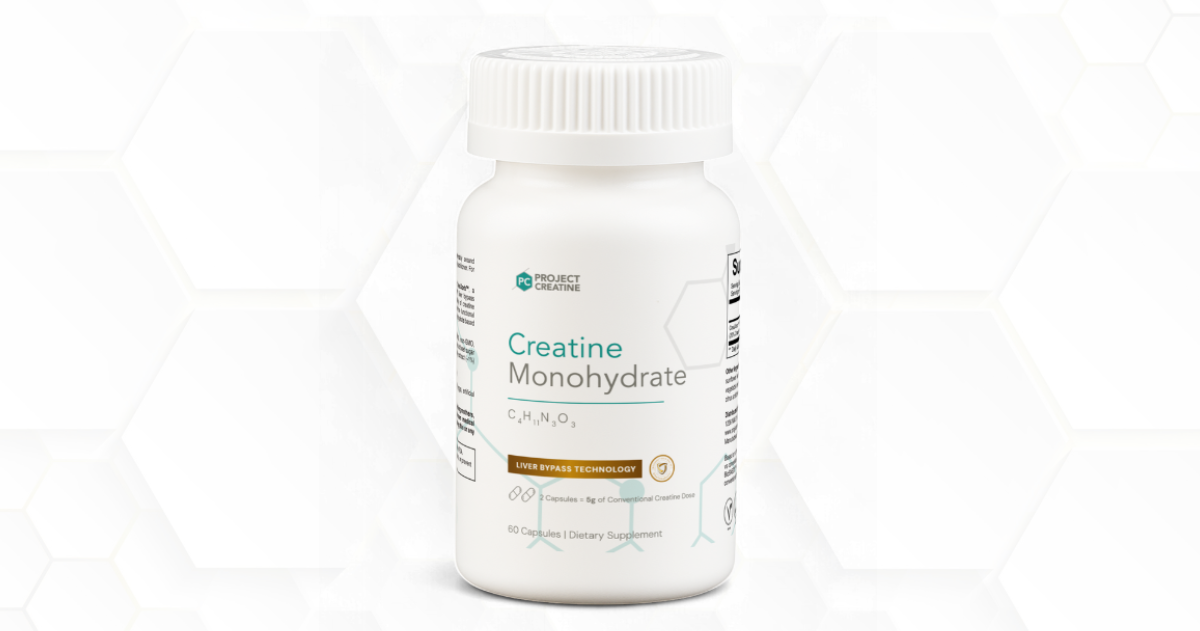
The best creatine monohydrate brand in 2026 is one that combines clear dosing, transparent labeling, practical daily use, and strong trust signals such as third-party testing or clean formulation like Project Creatine.
A creatine capsule can be just as useful if the dose is practical and the routine is easier to maintain. For many people, capsules improve consistency because they are simpler to carry and take.
Interest in creatine for cognitive performance is growing because creatine supports cellular energy systems, including those involved in brain function and daily cognitive performance.
Creatine for healthy aging is becoming a bigger part of the conversation because creatine is increasingly linked with muscle quality, physical resilience, and broader long-term wellness support.
Avoid proprietary blends, unclear dosing, unnecessary additives, and products that rely on hype without making daily use simple and transparent.

Evidence-based creatine guidance