

You bought the product. You started taking it. A few weeks passed. Yet you still feel like your creatine monohydrate is not doing much.
That is a common experience, and most of the time the problem is not creatine itself. It is how people use it, what they expect from it, or the type of routine they build around it. Creatine monohydrate remains the most researched form of creatine, with strong evidence supporting its role in high-intensity exercise performance, support for lean mass, and broader discussions around cognition and healthy aging, as per the National Library of Medicine.
The bigger issue is that many users unknowingly make small mistakes that undermine consistency, diminish results, or create the impression that creatine is ineffective. Some expect instant changes. Some underdose. Some use it randomly. Others buy into flashy alternatives without realizing that a well-designed monohydrate routine usually beats a more complicated product that they do not take properly.
If your goal is creatine for muscle growth, better recovery, or even support for creatine for brain health,, the answer is usually not to abandon creatine. It is to fix the way you are using it.
If you are ready for a smarter daily creatine routine, start with a better approach.
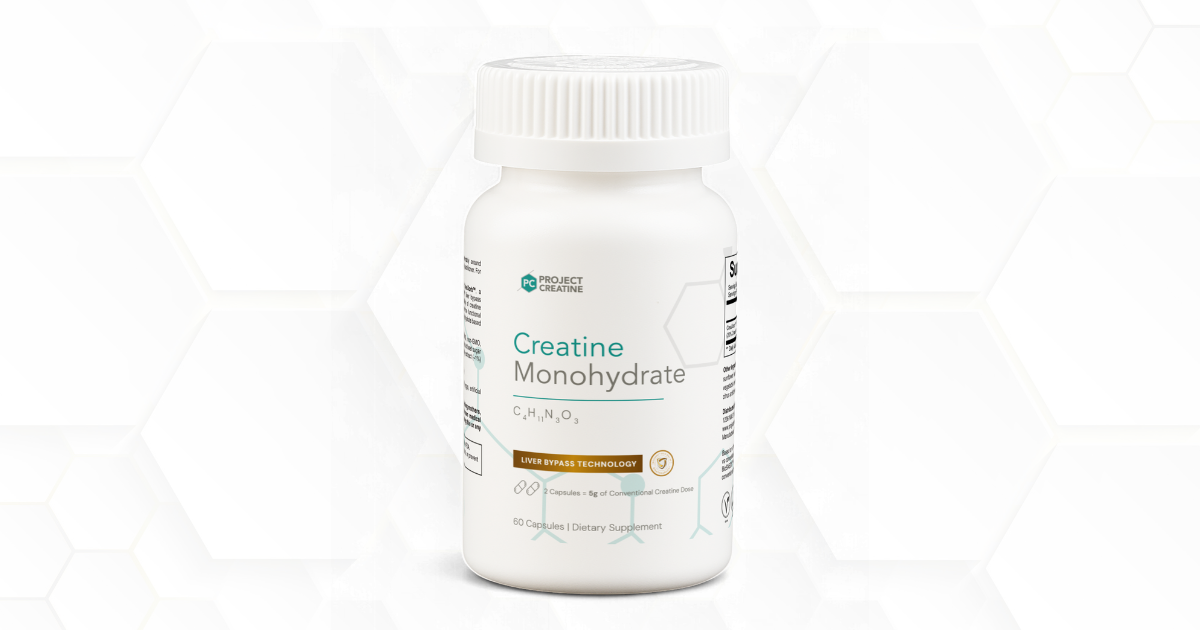
Before looking at the mistakes, it helps to understand why creatine monohydrate remains the standard.
Creatine helps support the phosphocreatine system, which plays a central role in regenerating ATP, the immediate energy source your cells use for short bursts of demanding work. That is why creatine has been studied extensively in resistance training, sprint performance, repeated efforts, and other high-intensity tasks. It is also why researchers continue to explore its role in the brain, where energy demand is constant and metabolically expensive.
In other words, creatine monohydrate is not supposed to feel like a stimulant. It is not a quick buzz product. It works through tissue saturation and energy support over time. That distinction matters because many people treat it as a pre-workout rather than a daily foundational supplement.
| Problem | What it usually means | Best fix |
|---|---|---|
| No results after weeks | Underdosing or inconsistency | Take a real daily dose and stay with it |
| No muscle gain | Weak training or nutrition | Improve progressive overload and protein intake |
| No noticeable effect | Unrealistic expectations | Judge trends, not first-day feelings |
| Missed doses | Format is inconvenient | Choose a product you will actually use daily |
This is probably the most common reason people think creatine monohydrate is not working.
Many users assume that one scoop, one serving, or one capsule automatically means the dose is effective. That is not always true. Some products look impressive on the front label but do not deliver a practical daily amount unless you read the serving details carefully.
For most healthy adults, the usual maintenance range is around 3 to 5 grams per day. If you consistently take less than that, you may never reach the level of muscle creatine saturation needed for meaningful results.
Creatine monohydrate works by increasing intramuscular phosphocreatine stores, which helps regenerate ATP during high-intensity effort. If your daily intake is too low, muscle creatine saturation may remain suboptimal, which limits the performance and recovery benefits creatine is known for.
Also Read: How to Choose the Best Creatine Monohydrate Brand in 2026?
If you are underdosing, you may never reach the level where creatine can meaningfully support training output, recovery, or progression. In simple terms, you are asking creatine to work without giving it enough to work with.
Creatine monohydrate does not reward random use. It works best when taken consistently over time, not only on training days or remembered only once in a while.
A lot of people treat creatine like a situational supplement. They take it when they lift, skip it when they travel, forget it on rest days, and then wonder why the results feel underwhelming. That breaks the whole point of creatine saturation.
Creatine is not designed to work like a stimulant or a one-time pre-workout. Its effects depend on maintaining elevated creatine stores over time. That means consistency matters far more than occasional use.
When you skip days, your routine loses the steady saturation that helps creatine support strength, repeated effort, and adaptation. The result is a stop-start pattern that weakens your overall progress.
One reason creatine monohydrate gets misjudged is that people expect a dramatic sensation. They want to feel it immediately. They expect a pump-like response, a stimulant hit, or some obvious first-day difference.
That is not how creatine works.
Creatine is more subtle than that. For many users, the early benefits show up as better training quality, slightly improved rep performance, better repeat effort, more stable progression, or a small change in body composition over time. In some cases, especially if your creatine stores were low to begin with, you may notice a clearer shift. But for many people, it is a slow support mechanism rather than an instant event.
Creatine supports cellular energy production, especially through ATP regeneration, but that process is not usually felt as an instant “hit.” Its benefits often show up more gradually through better training quality, repeat performance, and long-term adaptation. The same logic applies to creatine for brain energy, where support is metabolic rather than stimulant-like.
If you expect an immediate sensation and do not get one, you may assume creatine is not working and stop too early. That mindset causes people to miss the real value of creatine, which tends to build through consistent use rather than dramatic day-one effects.
A 2024 systematic review and meta-analysis reported that creatine monohydrate supplementation may have beneficial effects on cognitive function in adults, particularly on memory, attention, time, and information-processing speed. That is a big reason why creatine is now being discussed beyond strength training and into creatine for brain energy.
Creatine monohydrate can support performance, but it does not replace progressive training.
If your program lacks effort, structure, or progression, creatine has less room to shine. This is especially true if your goal is creatine for muscle growth. Creatine supports the work. It does not do the work for you.
Some people start creatine without training hard enough, without sufficient volume, or without any real progression plan. Then they conclude that the supplement failed. In reality, the training stimulus may not have been strong enough to reveal the benefit.
Creatine can support higher-quality high-intensity training, but it does not replace progressive overload, effort, or training structure. It enhances the work you are already doing. It does not create adaptation on its own.
If your training lacks enough intensity, volume, or progression, creatine has less opportunity to improve performance in a meaningful way. Poor training reduces the return you get from even the best supplement routine.
Creatine is not a substitute for protein intake, energy intake, hydration, or recovery.
This is where people often get frustrated. They expect creatine monohydrate to compensate for poor nutrition, low protein, missed meals, or chronic under-recovery. It cannot do that. If you are under-eating, poorly hydrated, or trying to build muscle without the basic raw materials, creatine will not overcome those gaps.
Creatine supports energy availability, but muscle growth and adaptation still depend on protein intake, total calories, hydration, and recovery. Creatine is a support tool, not a substitute for nutritional basics.
If your diet is not supporting muscle repair and growth, creatine cannot fully express its benefits. You may be taking the right supplement, but the rest of your system is still limiting the result.
A lot of people sabotage their creatine results by constantly changing products.
They start with monohydrate, switch to something trendier, try a gummy, move to another powder, stop for a while, then restart with something else. At that point, it becomes hard to judge anything clearly because there is no stable routine.
This is also where marketing creates confusion. Many brands try to imply that basic monohydrate is outdated and that the answer must be a newer form. In reality, creatine monohydrate remains the reference standard because it has the strongest evidence base.
Creatine monohydrate remains the most studied and best-supported form of creatine. Constantly switching between products, formats, or trend-driven alternatives makes it harder to judge what is actually working and often interrupts consistency.
Every time you switch, you reset the routine and add more noise to the process. Instead of giving one proven form enough time to work, you keep chasing novelty and losing momentum.
This is the most underrated issue in the category.
A lot of creatine products are technically fine but practically weak. Some powders are messy. Some servings are annoying. One of the biggest failures in the creatine category is products designed for labels instead of adherence. If a creatine routine is annoying enough to quit, the formulation already failed.. Some labels are unclear. Some products do not educate users well enough to help them stay consistent.
That means the problem is not always the ingredient. Sometimes the product fails because the user experience fails.
Creatine only works well when it is used consistently. That makes delivery format, dosing clarity, and ease of use far more important than many people realise. This is where advanced creatine and better product design can make a real difference, not by replacing monohydrate, but by making it easier to use correctly over time.
If your product is messy, inconvenient, underdosed, or frustrating to use, consistency drops. And once consistency drops, results usually follow. Even a strong ingredient can underperform when the routine around it is poorly designed.
If you still feel like creatine monohydrate is not working, do not overthink it. Go back and check the basics first.
Also, be clear about what results you are expecting. Some people look for better gym performance. Some notice improved recovery or more stable workout output. Others are using creatine as part of a bigger long-term plan that may include creatine for healthy aging or support for mental and physical performance over time.
If everything is in place and you still are not seeing much, the problem may not be creatine itself. It may be the product, the routine, or the way you are measuring progress. In many cases, a better daily system makes the biggest difference.
For some users, success is a better gym output. For others, it is a cleaner daily routine. For others, it is feeling confident that they are using one of the most studied supplements available for muscle and broader energy-related support. Reviews continue to position creatine monohydrate as relevant not only for performance, but also for older adults and healthy aging discussions, particularly when combined with exercise.
Choosing the right creatine monohydrate is not only about buying the most popular product on the shelf. It is about finding one that makes daily use simple, consistent, and effective. A good creatine product should clearly state the dose per serving, use straightforward labeling, and fit naturally into your routine. If the format feels inconvenient or the serving size is confusing, consistency often drops, and that usually affects results more than people realise.
It is also worth looking beyond flashy claims. The best products are often the ones built around proven creatine monohydrate rather than trend-driven alternatives with limited evidence. If your goal is creatine for muscle growth, better training output, or even support related to creatine for brain energy, staying with an evidence-backed formula matters more than chasing novelty.
If your creatine monohydrate is not working, the answer is usually not to give up on creatine. It is to fix the routine around it.
Most of the time, the real issues are simple:
Creatine monohydrate still leads because it has the strongest evidence base and the clearest practical value. That is true whether your interest is creatine for muscle growth, a more refined advanced creatine routine, or the growing conversation around creatine for brain energy and healthy aging.
The smarter move is not to chase hype. It is to choose a better routine, a better product experience, and a form you can trust enough to use every day.
The information in this article is designed for educational purposes only and is not intended to be a substitute for informed medical advice or care. This information should not be used to diagnose or treat any health problems or illnesses without consulting a doctor. Consult with a health care practitioner before relying on any information in this article or on this website.
It depends on your dosing strategy and consistency. Most people need regular daily use over time before they notice clear benefits. If you are taking it inconsistently or at a dose below an effective daily amount, results may be delayed.
Creatine can support training adaptation, but it does not replace progressive resistance training, adequate protein intake, or sufficient overall calorie intake. If those pieces are weak, creatine for muscle growth will also be less effective.
Research is increasingly exploring creatine for brain energy, especially because it supports cellular energy in the brain as well as in muscles. The effect is not stimulant-like, but it may play a supportive role over time.
Not automatically. A better product may improve delivery or daily usability, but creatine monohydrate remains the most researched form. In many cases, the best “advanced creatine” approach is simply a smarter way to consistently use monohydrate.
The biggest mistake is inconsistency. Even a good product can underperform if it is not used daily and at a practical dose.
If you still have questions in your mind, then take help from CreaTina, your AI-powered assistant

Evidence-based creatine guidance