

Creatine timing is one of the most common questions among people starting supplementation. Many fitness enthusiasts ask: Should you take creatine before or after a workout? Does taking it before exercise provide better strength benefits? Is post-workout creatine more effective for muscle growth? Or does timing matter less than consistency? Creatine is one of the most researched supplements in sports nutrition, with decades of evidence supporting its role in improving strength, power output, training performance, and muscle maintenance. Unlike stimulants that provide immediate effects, creatine gradually increases creatine stores inside muscle cells.
This means the biggest factor influencing results isn’t the exact minute you take creatine, but whether you take it consistently over time. Research has explored whether taking creatine close to exercise provides additional benefits. While a few studies have suggested potential advantages to strategic timing, the overall evidence has not established a meaningful advantage to taking creatine specifically before versus after exercise. For most users, consistent supplementation remains considerably more important than the exact timing of the dose.
The short answer: not as much as most people think.
Creatine doesn’t work like caffeine or pre-workout supplements, where effects are noticeable right after you take them. Instead, creatine works through a process called muscle saturation. When you take creatine regularly, your muscles gradually store more creatine and phosphocreatine. These stored compounds help regenerate ATP, which is the primary energy source used during high-intensity activity.
Because the goal is maintaining elevated creatine stores, taking your daily dose consistently matters more than whether you take it at 7 AM, before training, or after your workout. For example, someone who takes creatine every day at a convenient time will likely see better results than someone who takes it only before workouts occasionally.
This is why many experts recommend choosing a routine that is easy to maintain.
Whether you prefer:
Consistency is the priority.
If you’re still deciding whether supplementation fits your goals, our guide on Should You Take Creatine? explains creatine benefits, safety considerations, dosage basics, and who may benefit from adding creatine to their routine.
Scientific research has investigated whether taking creatine before or after exercise meaningfully influences results. An early study comparing creatine immediately before versus immediately after resistance training suggested that post-workout supplementation might provide a small advantage for certain strength and body-composition outcomes. However, that study was small and had several methodological limitations.
More recent controlled research has not found a meaningful difference between pre- and post-exercise creatine supplementation. In a randomized study of resistance-trained male and female collegiate athletes, taking creatine within one hour before versus within one hour after training produced no differential effect on strength, performance, or body-composition outcomes.
Reviews of the available evidence reach a similar conclusion: there is currently not enough evidence to recommend a specific pre- or post-workout “window” for creatine.
The practical takeaway: Take creatine consistently. If taking it around your workout helps you remember your daily serving, either before or after training is reasonable.
Many people choose to take creatine before training because it fits naturally into their pre-workout routine. However, unlike caffeine or nitric oxide boosters, creatine does not provide an immediate energy surge. The benefits develop as muscle creatine stores increase and remain elevated over time. Still, taking creatine before exercise can be convenient and may support performance over time.
For many people, taking creatine before exercise is simply easier to remember. Building supplementation into an existing gym habit can improve consistency.
When muscle creatine stores are elevated through regular supplementation, creatine helps support rapid ATP regeneration during repeated bouts of high-intensity activity. This can support activities such as:
Taking creatine alongside a pre-workout meal, shake, or other daily supplements can be a convenient way to maintain consistency. There is no requirement to pair creatine with a specific pre-workout nutrient combination for it to be effective.
Post-workout creatine is popular because many people already consume a meal or protein shake after training. While early research raised the possibility of a post-workout advantage, current evidence has not established a consistent benefit compared with taking creatine before exercise. Its main practical advantage is that it can be easy to incorporate into an existing recovery routine.
Many athletes already consume protein shakes or meals after training. Adding creatine to this routine can make daily supplementation easier.
When combined with resistance training, consistent creatine supplementation can support gains in strength and lean mass. These benefits appear to result primarily from maintaining elevated muscle creatine stores rather than from taking creatine at a specific moment after exercise.
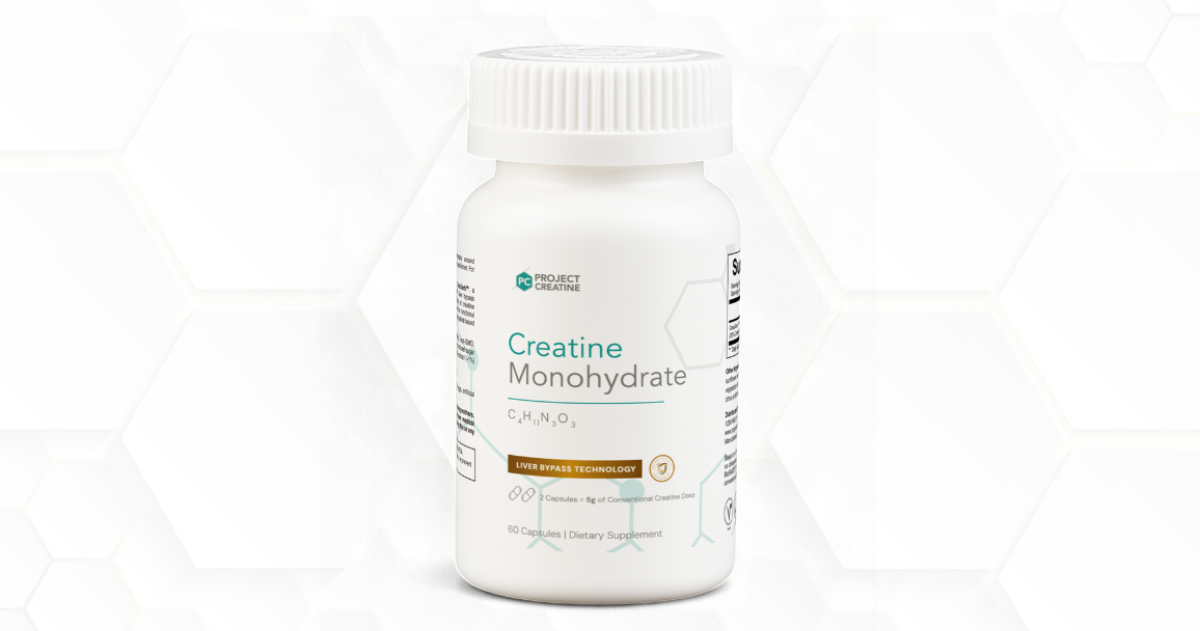
Creatine monohydrate powder can be mixed with protein shakes, smoothies, or other beverages. For people who prefer not to measure or mix powder, capsule formulations provide another convenient option. Project Creatine’s Creatine Monohydrate Capsules are designed specifically for simple daily dosing without the need for a scoop, shaker, or large serving of powder.
When comparing creatine before or after a workout, the evidence shows no dramatic difference between the two. Both approaches can work effectively. The better option depends on your personal routine.
| Timing | Practical Considerations |
|---|---|
| Before workout | Easy to pair with a pre-training routine |
| After workout | Convenient with a post-workout meal or shake |
| Any other time | Equally effective if taken consistently |
The most important factors are:
The timing debate often receives more attention than it deserves because consistency is the foundation of creatine effectiveness.
The best time to take creatine is the time you can follow consistently.
For some people, this is:
There is no universal “magic window.”
A person who takes creatine consistently from day to day is more likely to maintain elevated muscle creatine stores than someone who frequently skips servings. The specific time of day can vary based on your routine. This principle applies across different forms of creatine as well. Whether you choose traditional creatine monohydrate or micronized options, the goal remains maintaining consistent intake.
Understanding differences between supplement types can help users make informed choices. Our guide on Micronized Creatine vs Creatine Monohydrate explains how these forms compare in terms of effectiveness, mixability, and value.
A common question among new users is: Do you take creatine on rest days?
The answer is yes. Creatine supplementation works by gradually increasing and maintaining creatine stores inside your muscles, not by providing an immediate effect only during training.
Rest days are an important part of any fitness routine because they allow muscles to recover and adapt. Continuing your daily creatine intake during these days helps maintain elevated creatine levels and supports long-term consistency.
If you are wondering whether to take creatine on rest days, you don’t need to skip supplementation just because you are not exercising.
Creatine stores remain relevant between workouts as your body recovers and adapts to training. Continuing your normal supplementation routine on rest days helps maintain those stores.
A simple approach is:
Consistency matters more than timing.
Missing one day of creatine is not a reason to worry.
Because creatine works by building and maintaining muscle stores over time, skipping a single dose will not immediately reduce your creatine levels or eliminate your progress.
If you forget your daily dose:
Many people overcomplicate creatine supplementation, but the process is simple. A consistent daily habit matters more than perfect timing.
A traditional creatine monohydrate loading protocol typically uses approximately 20 grams per day, divided into several smaller servings, for about 5–7 days. This is followed by a maintenance intake commonly around 3–5 grams per day.
Loading is optional. Conventional creatine monohydrate can also be taken consistently at a maintenance-level intake without a loading phase, although muscle saturation occurs more gradually.
These dosing ranges refer to conventional creatine monohydrate. Different delivery systems and formulations may use different serving sizes, so always follow the serving directions for the specific product you are using.
Project Creatine users should follow the serving instructions provided on the product label.
Creatine has been extensively researched, but several myths continue to influence how people use it. Understanding the difference between facts and misconceptions can help you create a better supplementation strategy.
This is one of the most common misunderstandings. Creatine does not work like a pre-workout supplement. It does not need to peak in your bloodstream immediately before exercise. Its primary function is increasing stored creatine within muscle cells. Whether you take it before or after your workout, long-term results come from consistency.
Some studies suggest possible benefits from post-workout timing, especially when combined with resistance training and nutrition. However, the difference is relatively small. The most important factor remains taking creatine consistently. Someone who takes creatine every morning will likely see better results than someone who takes it only occasionally after workouts.
Creatine is sometimes mistakenly viewed as a supplement primarily for men. However, creatine metabolism is important in both sexes, and research in women has expanded considerably.
Studies have investigated creatine supplementation in women for strength, exercise performance, body composition, cognition, and healthy aging. The female-specific evidence base remains smaller than the overall creatine literature, but creatine monohydrate has demonstrated a favorable safety profile in studies involving women.
Research interest is particularly strong across different stages of the female lifespan, including premenopause and postmenopause.
Taking excessive amounts of creatine does not automatically create better results. Once muscles reach saturation, additional creatine provides limited extra benefit. A consistent daily dose is generally sufficient for most individuals.
The timing question is often connected with another common topic: types of creatine. Consumers today can choose from various forms, including:
Despite different marketing claims, creatine monohydrate remains the most researched form. Comparisons such as micronized creatine vs creatine monohydrate usually focus on factors like:
Micronized creatine contains smaller particles, which may improve how easily it mixes with liquids. However, the active ingredient remains creatine monohydrate, and research has not shown that micronized versions provide significantly better performance outcomes. For those looking for convenience, products like the best creatine monohydrate capsules can simplify daily supplementation.
Timing matters, but product quality does too. When choosing a creatine supplement, consider:
Creatine monohydrate remains the gold standard because it has decades of research supporting:
A quality creatine product should clearly state:
Creatine monohydrate should remain the foundation, but product formulation can influence factors such as serving size, solubility, convenience, and delivery. When evaluating an enhanced creatine formulation, look for product-specific evidence rather than relying solely on marketing terminology.
Project Creatine’s Creatine Monohydrate Capsules use creatine monohydrate with the CreaXorb™/BioSNEDS™ delivery system. In a product-specific pharmacokinetic study, this formulation produced substantially greater measured creatine exposure compared with the conventional creatine comparator. This enhanced delivery approach allows Project Creatine to provide creatine monohydrate in a convenient capsule format rather than requiring a traditional multi-gram powder serving.
The same basic principle applies: consistency matters more than chasing a narrow pre- or post-workout window.
Project Creatine’s Creatine Monohydrate Capsules use CreaXorb™ with BioSNEDS™ delivery technology and are designed for once-daily supplementation. Users should follow the product serving directions rather than applying conventional bulk-powder dosing protocols to the capsule formulation.
If taking Project Creatine around your workout makes the habit easier to maintain, that is a practical strategy. If another time of day works better for your routine, consistency should remain the priority.
Creatine research continues expanding beyond exercise performance. Scientists are investigating creatine’s potential relationship with:
Research has also explored creatine’s role in brain energy metabolism, cognitive performance, sleep deprivation, and mental fatigue. These areas are developing alongside the much larger body of evidence surrounding creatine and physical performance.
For most people, consistency matters more than whether creatine is taken before or after a workout.
Current research has not established a meaningful advantage to one timing strategy over the other. Taking creatine around exercise can still be useful if it makes supplementation easier to remember.
The priorities are simple:
With Project Creatine, follow the labeled daily serving and choose the time that best fits your routine.
Current research does not establish a meaningful advantage to taking creatine specifically before or after exercise. Either approach is reasonable if it helps you maintain consistent supplementation.
Yes. Taking creatine on rest days helps maintain muscle creatine stores and supports consistent supplementation.
Timing appears to be much less important than consistent supplementation and resistance training. Creatine supports training adaptations by helping maintain increased muscle creatine and phosphocreatine availability over time.
Creatine is not an acute stimulant like caffeine. Its primary benefits develop as creatine stores increase with repeated supplementation; how quickly this occurs depends partly on the dosing strategy.
The best time is whenever you can take it consistently. Many people choose a time connected to their daily routine.
Research in women supports a favorable safety profile for creatine monohydrate when used appropriately, although women remain underrepresented in the overall creatine research literature.
For conventional creatine monohydrate, the same principle applies: maintaining regular intake matters more than taking it at a precise time around exercise.
Micronized creatine is still creatine monohydrate; the smaller particle size primarily affects characteristics such as dispersibility and mixability rather than creating a fundamentally different timing requirement.
Other formulations may have different serving instructions, so follow the label directions for the specific product you use.
No. Missing one dose will not significantly affect muscle creatine levels. Simply continue your normal routine the following day.

Evidence-based creatine guidance