

How Much Water to Drink With Creatine: A Science‑Backed Guide

Drink With Creatine

Creatine monohydrate is one of the most researched and effective supplements for strength, power, recovery, and even creatine for brain energy and healthy aging. But one aspect that often gets overlooked is hydration: How much water do you really need when taking creatine?
One of the most common questions people ask after starting creatine is:

“Do I need to drink more water?”

The short answer is yes—but probably not as much as you’ve heard.

Creatine changes where your body stores water, not whether you’re hydrated. Understanding that difference can improve performance, recovery, and help eliminate many of the myths surrounding creatine supplementation.

In reality, the relationship between creatine and hydration is nuanced. Proper hydration supports performance and overall health, but there’s no one‑size‑fits‑all answer. In this guide, we’ll explore how creatine interacts with water in the body, hydration needs, common mistakes, and expert practices that ensure your creatine supplementation works as intended. Along the way, we’ll help you choose the best creatine monohydrate capsules and explain hydration in the context of performance and daily life.

Quick Answer

  • Aim for 2–3 liters of water daily as your baseline.
  • Drink more based on exercise, sweat loss, heat, and humidity.
  • Creatine pulls water into muscle cells, not away from the rest of your body.
    Pale yellow urine is one of the easiest indicators of proper hydration.
  • Consistent hydration throughout the day is more effective than drinking large amounts at once.
  • During long or intense workouts, replace both water and electrolytes.

Why Does Hydration Matter When Taking Creatine?

Hydration is essential for virtually every physiological function, from regulating body temperature to supporting cognitive clarity and muscle performance. Even mild dehydration—as little as 2% of body weight—can reduce strength, endurance, mental focus, and exercise performance. Staying hydrated helps maximize the benefits of creatine while supporting overall health.

When you take creatine, a portion of it gets stored in muscle cells as phosphocreatine. This process draws water into the cells, slightly increasing intracellular water content. This has often led to the belief that creatine dehydrates you or increases water needs. In truth, creatine does not inherently cause dehydration, but it does change how your body stores water. Recent evidence suggests that creatine may help maintain fluid balance in muscles and can be safely combined with electrolytes to enhance hydration.

How Creatine Affects Water in Your Body

Research Snapshot

Multiple systematic reviews have concluded that creatine supplementation does not increase the risk of dehydration, muscle cramps, or heat-related illness in healthy adults when consumed as recommended.

Creatine increases intracellular water levels because it pulls fluid into muscle cells. Rather than pulling water away from the rest of your body, creatine actually improves cellular hydration by increasing water stored inside muscle cells, where it supports energy production, recovery, and performance. This is part of how creatine enhances performance: increased water content within muscles can improve cellular volumization and may support strength and recovery. From a hydration standpoint, this means the distribution of water shifts slightly, but your total body water doesn’t necessarily decrease. Good hydration supports this process and helps prevent feelings of dehydration or fatigue.

Contrary to old  creatine myths and misconceptions, creatine does not increase risk of dehydration, heat illness, or muscle cramps when taken within recommended dosages. In fact,systematic reviews have challenged the idea that creatine contributes to dehydration or impaired heat tolerance.

While short-term loading can cause a minor initial shift in fluid, long-term multi-week training studies demonstrate that regular creatine consumption does not continuously increase total body water or alter overall fluid retention. A comprehensive clinical review published by the National Institutes of Health dispels the common misconception that creatine causes persistent water retention or systemic dehydration.

Does Creatine Actually Increase Your Water Needs?

Creatine doesn’t dramatically increase how much water you need, but it does make staying consistently hydrated more relevant. Your baseline fluid requirements still depend on factors such as body size, activity level, climate, and sweat loss. Creatine doesn’t dramatically increase your daily water requirements, but it does make consistent hydration more important—especially if you exercise regularly, sweat heavily, or live in a warm climate.
General guidelines from hydration science suggest you drink to thirst and adjust based on activity. Traditional rules like “eight glasses a day” are overly simplistic and not tailored to individual fluid turnover, which varies widely among people.

How Much Water Should You Drink With Creatine?

There isn’t a single universally correct number, but a few practical guidelines emerge from research and sports science:

Daily Hydration Targets

  • Most adults: 2–3 liters (68–100 oz)
  • Heavy training: Add fluids to replace sweat losses
  • Outdoor exercise: Increase intake based on heat and humidity

Creatine Days vs. Non‑Creatine Days: Take your daily creatine dose consistently, typically 3–5 grams of creatine monohydrate with a glass of water. A consistent water intake habit across the day is more effective than chugging excess at once.

Thirst Is Reliable: Your body’s thirst mechanism is a strong indicator of hydration needs for most people. Significant fluid intake beyond thirst, especially without electrolytes, may simply lead to frequent urination with limited true hydration benefit.

Factors That Affect How Much Water You Need With Creatine

Activity Level

High‑intensity or endurance workouts increase sweat losses, so fluids and electrolytes lost during training need to be replaced. Even small levels of dehydration can impair strength, endurance, and cognitive function.

Climate & Environment

Heat and humidity increase sweat rates. If you’re training outdoors or in a hot gym, your hydration needs can increase significantly compared with on idle days.

Body Size & Composition

Larger individuals and those with greater lean muscle mass generally require more daily fluids because muscle tissue contains significantly more water than body fat.

Electrolyte Balance

Water alone doesn’t sustain hydration; electrolytes like sodium, potassium, and magnesium help the body absorb and retain fluid inside cells. Combining creatine with electrolytes can support hydration status and may even enhance creatine uptake into muscles.

Sodium plays the biggest role in fluid retention, while potassium and magnesium help maintain proper muscle and nerve function.

Does the Type of Creatine Change Your Water Needs?

Different types of creatine, such as capsules, micronized monohydrate, and others, contain the same active molecule but may vary in mixability and solubility. Creatine monohydrate remains the most studied and effective form for performance and compatibility with hydration. The type of creatine does not meaningfully change your hydration requirements. What matters is consistent daily dosing and adequate water intake.

Regardless of the form you choose, creatine monohydrate remains the gold standard, with more clinical research supporting its safety and effectiveness than any other form of creatine.

Micronized creatine may dissolve better in liquids, which can make mixing and hydration a bit more pleasant, but it does not change how your body absorbs water.

Creatine FormMixability & SolubilityHydration Impact & Experience
Standard Monohydrate PowderOften leaves a gritty residue at the bottom of the glass, meaning you might miss part of your dose unless you refill and drink again.Requires a full glass of water to ensure complete mixing and consumption.
Micronized Monohydrate PowderFormulated with smaller particle sizes that dissolve effortlessly in liquids without clumping.Provides a much smoother drinking experience, making it easier to pair with your standard daily fluids.
Creatine CapsulesPre-measured and requires no mixing at all.Ideal for on-the-go tracking; simply wash them down with a standard glass of water.

While hydration recommendations remain the same regardless of creatine form, convenience often determines consistency.

Project Creatine Capsules eliminate measuring, mixing, and gritty residue, making daily supplementation easier whether you’re traveling, working, or heading to the gym. Better consistency leads to better long-term muscle creatine saturation—and better results.
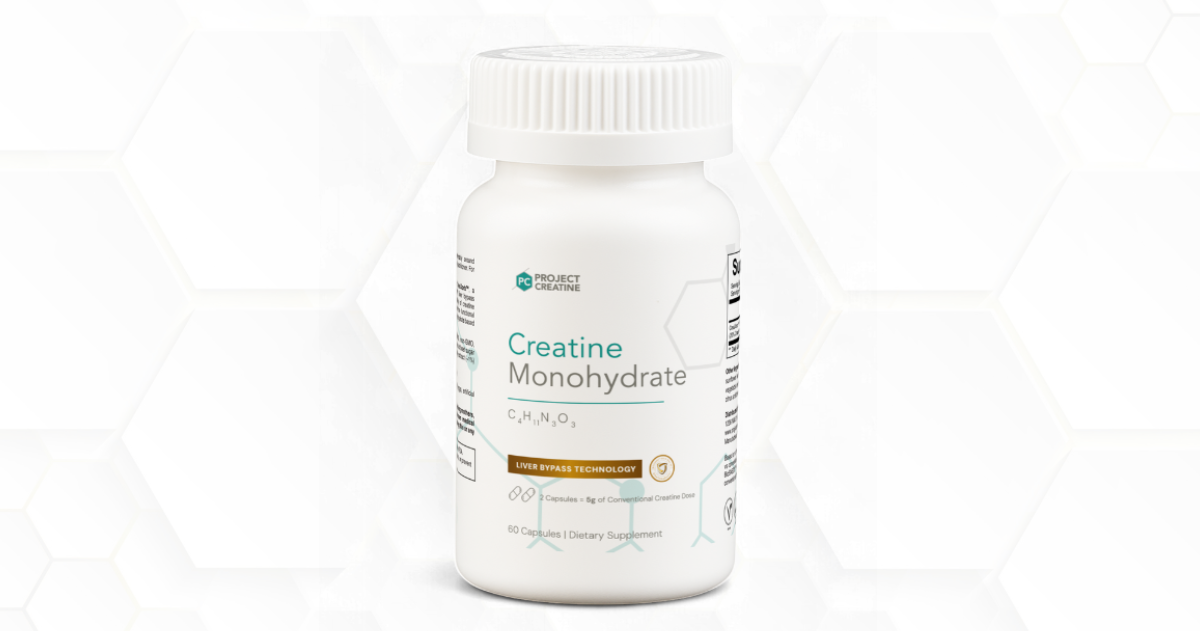
Product

Hydration is only one piece of the equation.

Consistent daily supplementation with Project Creatine Capsules helps support muscle performance, recovery, cognitive health, and healthy aging—without the mess of traditional powders.

Signs You’re Well Hydrated While Taking Creatine

Knowing how much water you need comes down to bodily signals:

  • Clear to pale yellow urine (common hydration indicator)
  • Stable energy levels throughout the day
  • Regular, balanced sweat during workouts
  • No frequent headaches or dizziness
  • Good skin elasticity and salivary moisture

When these markers are present, your hydration strategy,

combined with creatine use, is likely effective.

Signs You May Not Be Drinking Enough Water

Even mild dehydration can cause:

  • Fatigue and sluggishness
  • Dark, concentrated urine
  • Dry mouth and lips
  • Headaches
  • Reduced performance in training

If you notice these signs, increasing water intake, especially around workouts, can help restore balance.

Expert Tips for Staying Hydrated While Using Creatine

  • Sip water throughout the day rather than trying to gulp large amounts at once.
  • Pair water with meals and creatine intake to maintain fluid balance.
  • Use electrolyte‑rich fluids if you are sweating heavily or training for extended periods.
  • Monitor sweat rates on hot days and adjust drinks accordingly.
  • Consume water‑rich foods like fruits and vegetables to boost total hydration.

Pro Tip: Don’t wait until you’re thirsty after a hard workout. Begin rehydrating early and continue sipping fluids over the next several hours to fully replace sweat losses.

Remember that hydration isn’t solely about quantity; how your body uses and retains water matters too.

Common Mistakes People Make When Taking Creatine

Believing in Creatine Hydration Myths

Myth: Creatine causes dehydration.

Fact: Research consistently shows creatine does not increase dehydration risk when taken as directed.

Myth: You need to drink a gallon of water every day.

Fact: Hydration needs are individualized and depend on activity level, body size, and climate.

Myth: Creatine causes bloating.

Fact: Creatine primarily increases water inside muscle cells, not underneath the skin.

Even with the best intentions, it is easy to fall into bad hydration habits that limit your progress and results. Avoiding common creatine mistakes, like overcompensating with too much water or ignoring your body’s true signals, is key to keeping your training on track. Let’s look at the most frequent hydration pitfalls athletes make and how you can easily fix them.

Chugging Excess Water

Drinking large volumes of water sporadically can lead to frequent urination with minimal hydration benefit. Artificial hydration goals like “drink 4 liters a day” aren’t appropriate for everyone.

Ignoring Electrolytes

Water without minerals may pass through the body quickly. Electrolytes help retain and use that fluid effectively, especially during intense exercise.

Waiting Until Thirst Hits

By the time thirst arises, mild dehydration may already be present. Drinking regularly throughout the day, not just in response to thirst, helps maintain optimal fluid levels.

Skipping Post‑Workout Fluids

Replenishing what you lose during workouts, especially heat and sweat, is essential for recovery, nutrient transport, and muscle repair.

Loading vs Maintenance

Loading (5–7 Days)

  • 20 grams daily
  • Split into four doses
  • Drink 8–12 oz with each serving
  • Temporary 1–3 lb increase in muscle water is normal

Maintenance

  • 3–5 grams daily
  • Continue consistent hydration
  • Muscle water levels stabilize
MetricCreatine Loading PhaseCreatine Maintenance Phase
Typical Daily Dosage20 grams per day (split into 4 doses)3–5 grams per day (single dose)
Muscle Saturation SpeedRapid (typically fully saturated in 5–7 days)Gradual (takes roughly 3–4 weeks to saturate)
Cellular Fluid ShiftHigh initial pull of water into muscle cellsBalanced, stable fluid equilibrium
Hydration Strategy FocusFrequent, smaller glasses of water paired with dosesConsistent baseline sipping throughout the day

Regardless of which phase you are currently in, you do not need to chug gallons of water all at once. Doing so simply triggers frequent trips to the bathroom without improving cellular health. Instead, follow these professional recommendations:

  • Buffer Your Loading Doses: During the loading week, consume each 5-gram dose with at least 8 to 12 ounces of fluid.
  • Maintain the Baseline: Keep your baseline target at 2–3 liters of fluid daily.
  • Account for External Variables: Never treat your fluid goals as static. Always adjust your intake upward based on your daily training intensity, how much you sweat, and local environmental conditions like high heat or humidity.

Conclusion

The key takeaway is simple: Creatine doesn’t require excessive water intake—it requires consistent hydration.

Drink regularly throughout the day, replace fluids lost during exercise, and adjust your intake based on your environment and activity level. Combined with daily creatine supplementation, these habits help support muscle performance, recovery, cognitive function, and long-term health.

Choosing premium creatine monohydrate capsules, like those from Project Creatine, ensures you have a reliable, high‑quality supplement that integrates well with effective hydration practices and other daily supplements for muscle performance and overall health.

Frequently Asked Questions

Does creatine make you thirsty?

Not directly. If you feel thirsty, it indicates normal hydration signaling, not a unique effect of creatine.

What should I mix creatine with?

Water is best for hydration. Electrolyte‑enhanced drinks can help, especially around workouts.

Can you put creatine in a protein shake?

Yes, creatine mixes well with most shakes and beverages; just consume promptly after mixing.

Does creatine cause water retention?

Creatine may slightly increase intracellular water (inside muscle cells), but it does not cause harmful fluid retention.

How much water weight does creatine add?

Any weight change is typically modest and due to water inside muscle cells.

Can I mix creatine with milk or Gatorade?

Yes, these liquids can be fine, but electrolyte-rich water is often optimal for hydration.

Can I put creatine in hot tea?

Heat over a short period doesn’t significantly degrade creatine, but consume soon after mixing.

How much water should I drink a day with creatine?

Start with 2–3 liters as a baseline and adjust based on activity, sweat, and environment.

Can you drink too much water with creatine?

Yes. Drinking excessive amounts of water without replacing electrolytes may lead to frequent urination and dilute sodium levels. Aim for consistent hydration rather than excessive intake.

Does coffee count toward hydration?

Yes. Coffee contributes to daily fluid intake, although water should remain your primary hydration source.

Should you take electrolytes with creatine?

For most people, a balanced diet is sufficient. However, athletes, heavy sweaters, and those exercising in hot environments may benefit from electrolyte replacement.

Does dehydration reduce creatine’s effectiveness?

While creatine still works, dehydration can reduce athletic performance, recovery, and muscle function—making it harder to experience the full benefits of supplementation.

Quick Navigation
CreaTina Clinical Guide
CreaTina

CreaTina Clinical Guide

Evidence-based creatine guidance

⚠️ Disclaimer: Educational only—not medical advice. Consult a licensed provider. Use at your own risk.