
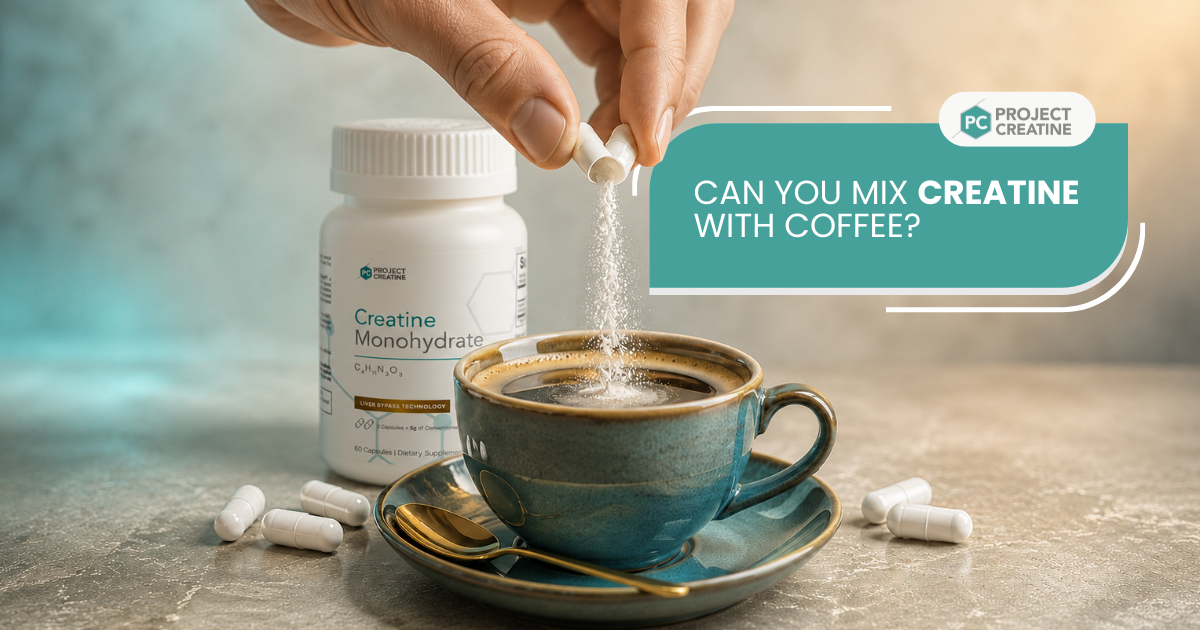
Can You Mix Creatine With Coffee? Benefits, Myths & Best Practices
Creatine is one of the most widely studied supplements for muscle strength, power, and recovery. Increasingly, people are exploring its benefits for cognitive health and overall energy, making it a versatile daily creatine supplement. But with coffee being such a popular morning ritual, a common question arises: Can you put creatine in coffee? Many wonder whether hot liquids affect their potency or whether caffeine interferes with absorption.
This guide examines whether creatine in hot coffee works, reviews myths and facts, explores pros and cons, and offers best practices for combining creatine with your favorite morning beverage. You’ll also learn how to choose the best creatine monohydrate brands for consistent results.
Quick Answer
- Yes, you can mix creatine with coffee.
- Moderate caffeine intake does not appear to cancel out creatine’s benefits.
- Add creatine when your coffee is at a comfortable drinking temperature.
- Stir well and drink it reasonably soon after mixing.
- Capsules are an alternative for people who dislike gritty powder or imprecise scooping.
Understanding Creatine and Coffee
Both creatine and coffee are staples in performance and daily energy routines, but they operate through very different mechanisms. Creatine primarily supports ATP regeneration in muscle and brain cells, improving strength, recovery, and creatine for brain health. Coffee, on the other hand, contains caffeine, a central nervous system stimulant that temporarily increases alertness and reduces perceived fatigue.
When considering combining the two, it’s important to understand how each works, potential interactions, and whether the heat or caffeine content of coffee might reduce creatine’s effectiveness.
One practical drawback of mixing traditional creatine monohydrate with coffee is incomplete dissolution. Even when the powder disperses, some may settle at the bottom of the mug and create a gritty texture.
Warm liquid can help creatine dissolve more easily than cold liquid, but it is still best to stir thoroughly and consume the drink rather than leaving it sitting for an extended period.
People who dislike powders may prefer capsules or other premeasured delivery formats. These options eliminate scooping and mixing and can make daily dosing more convenient.
What Is Creatine?
Creatine is a naturally occurring compound stored mainly in skeletal muscles. It helps regenerate ATP, the primary energy molecule used in short bursts of high-intensity activity. Creatine is also present in the brain, where it contributes to cellular energy metabolism. Research is exploring its potential role in cognition, mental fatigue, healthy aging, and situations where brain energy demand is elevated.
Creatine monohydrate is the most extensively studied form and is generally considered safe for healthy adults when used at appropriate doses. It is available in powders, capsules, gummies, and newer delivery formats.
What Is Caffeine?
Caffeine is a naturally occurring stimulant found in coffee, tea, and some energy drinks. It increases alertness by blocking adenosine receptors in the brain, temporarily reducing feelings of fatigue. Caffeine can improve reaction time, endurance, and mental focus, making it popular among both athletes and office professionals.
Caffeine and creatine act through different primary mechanisms. Caffeine mainly reduces perceived fatigue by blocking adenosine receptors, while creatine helps maintain the phosphocreatine system used to rapidly regenerate ATP.
Does Caffeine Affect Creatine?
Caffeine does not appear to block creatine absorption or prevent muscle creatine stores from increasing. The two ingredients act through different mechanisms: caffeine affects the central nervous system, while creatine supports rapid cellular energy regeneration.
Some earlier studies raised questions about whether consuming high amounts of caffeine during creatine loading could reduce certain performance benefits or increase digestive discomfort. However, the overall body of evidence does not show that moderate coffee consumption cancels out the benefits of daily creatine supplementation.
Individual tolerance still matters. People who experience stomach discomfort, jitteriness, or urgency when combining coffee and creatine may prefer to take them separately.
Can You Put Creatine in Coffee?
Yes. Creatine can be mixed into hot or iced coffee.
Creatine monohydrate does not instantly break down when it touches a hot beverage. The more relevant concern is leaving it in a hot or acidic liquid for a prolonged period. For normal use, mixing it into coffee and drinking it shortly afterward is unlikely to meaningfully reduce the dose.
For the best experience:
- Let the coffee cool to a comfortable drinking temperature.
- Add a measured serving of creatine.
- Stir thoroughly or use a handheld frother.
- Drink the full beverage so no powder is left at the bottom.
- Avoid preparing it hours before you plan to drink it.
This makes coffee a convenient delivery method, combining mental alertness from caffeine with energy support from creatine.
Pros & Cons of Mixing Creatine with Coffee
Pros
- Easier Daily Consistency: Connecting creatine to an existing habit, such as morning coffee, can make it easier to remember your daily serving.
- Different Types of Performance Support: Caffeine can temporarily increase alertness and reduce perceived effort, while creatine supports cellular energy availability over time. They may fit well within the same routine, although they should not be presented as proven to create a unique synergistic effect.
- Improved Mixing in Warm Liquid: Creatine generally disperses more easily in warm coffee than in cold water, although some residue may still settle at the bottom.
- Advanced Absorption Alternatives: By using next-generation delivery systems such as BioSNEDS™ (Self-Nanoemulsifying Drug Delivery Systems), modern capsule formulations bypass traditional digestion hurdles altogether. This completely eliminates the need for heavy, 5-gram powder scoops while ensuring maximum bioavailability.
Cons
- Do Not Let It Sit for Hours: Creatine does not instantly degrade in hot coffee, but it is still best to mix it shortly before drinking rather than leaving it in a hot or acidic beverage for an extended period.
- Potential Digestive Discomfort: Coffee and large servings of creatine powder may each cause stomach discomfort in sensitive individuals, particularly when consumed on an empty stomach.
- Powder Can Settle: Creatine may collect at the bottom of the mug, which can result in an incomplete serving unless the drink is stirred again and finished completely.
- Taste and Texture: Some people notice a chalky texture or slight change in flavor when creatine powder is added to coffee.
Creatine in Coffee: Myths vs. Facts
Myth: Hot coffee immediately destroys creatine.
Fact: Creatine does not instantly become ineffective when added to coffee. The better practice is to mix it shortly before drinking rather than allowing it to sit for hours.
Myth: Caffeine cancels out creatine.
Fact: Moderate caffeine intake does not appear to block creatine absorption or prevent muscle creatine saturation.
Myth: Creatine must be taken immediately before a workout.
Fact: Daily consistency matters more than precise timing for most users.
Myth: Mixing creatine with coffee causes dehydration.
Fact: Neither normal coffee intake nor appropriate creatine use automatically causes dehydration. Maintaining normal daily fluid intake is generally sufficient.
Myth: Creatine always causes severe bloating.
Fact: Some people experience temporary water-weight changes or digestive discomfort, but severe bloating is not universal and may be influenced by dose, product format, and individual tolerance.
By understanding these creatine myths vs facts, users can confidently combine supplements with their favorite beverages.
Best Practices for Taking Creatine with Coffee
1. Use a Consistent Daily Serving
For standard creatine monohydrate, many adults use approximately 3–5 grams per day. Follow the serving directions for the specific product you use, especially when taking capsules or enhanced-delivery formulas that provide a different amount per serving.
2. Add It After Brewing
Allow your coffee to cool to a comfortable drinking temperature before adding creatine. There is no need to add it while the water is boiling.
3. Stir Thoroughly
Use a spoon, shaker, or handheld frother. Stir again near the end of the drink if the powder begins to settle.
4. Drink It Shortly After Mixing
You do not need to rush, but avoid preparing creatine coffee several hours in advance.
5. Consider Taking It With Food
People with sensitive stomachs may tolerate coffee and creatine better when they are consumed with breakfast rather than on an empty stomach.
6. Monitor Total Caffeine Intake
Creatine does not require caffeine to work. Adjust your coffee intake if you experience jitteriness, anxiety, sleep disruption, increased heart rate, or digestive discomfort.
7. Choose a Format You Will Use Consistently
Powders are affordable and well studied, while capsules offer portability, precise dosing, and no mixing. The best format is one that fits your routine and can be taken consistently.
Following these refined guidelines ensures that mixing your creatine with hot coffee remains highly effective, entirely safe, and entirely free of gastrointestinal discomfort.
💡 Science Note:
Creatine monohydrate is one of the most extensively studied sports and performance supplements. Research supports its ability to increase muscle creatine stores and improve performance during repeated high-intensity activity. Additional research is examining its potential applications in cognition, healthy aging, sleep deprivation, rehabilitation, and other areas of health.
How to Choose a High-Quality Creatine Supplement
When comparing creatine products, consider:
- Clear labeling of the creatine form and amount per serving
- Third-party testing for identity, purity, and contaminants
- A delivery format that fits your routine
- Transparent ingredient and allergen information
- Realistic claims supported by available evidence
- Manufacturer quality standards and traceability
Micronized creatine monohydrate powder may mix more easily than standard powder, while capsules provide precise dosing and avoid gritty beverages. Enhanced-delivery formats may offer additional convenience, but product-specific absorption claims should be supported by direct testing of the finished formulation.
Traditional creatine monohydrate products commonly provide several grams of powder per serving. Although this approach is well studied, some users dislike the taste, texture, scooping, or digestive burden of larger powder servings.
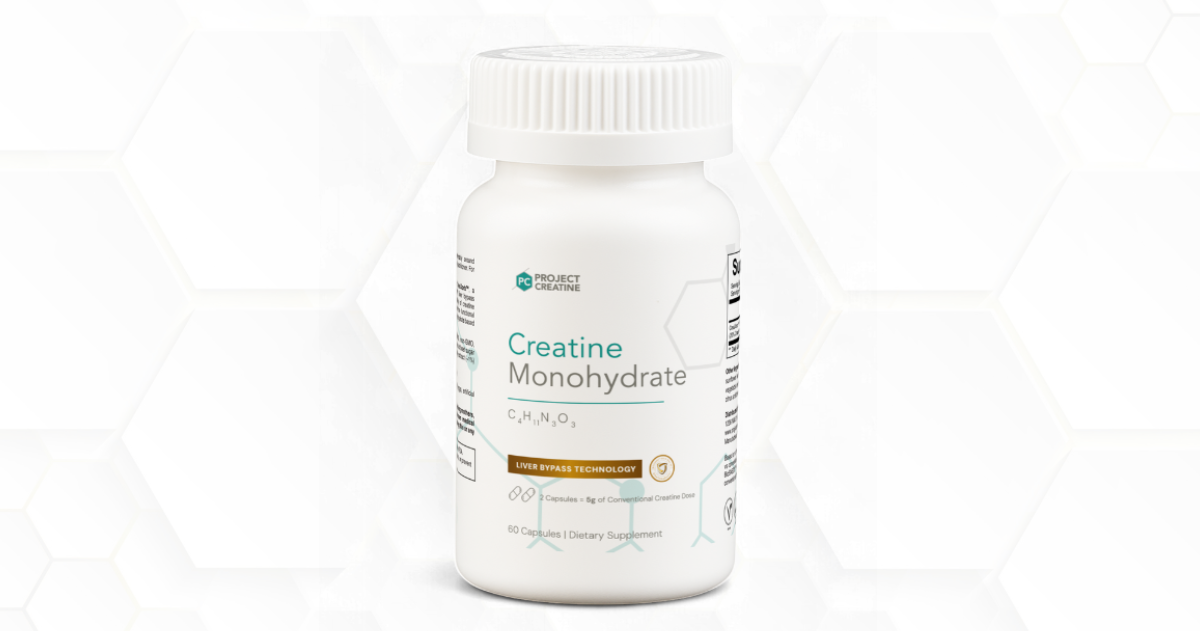
Project Creatine uses a capsule-based delivery system designed to provide creatine in a smaller and more convenient serving format. When evaluating enhanced-delivery products, consumers should review the serving size, absorption data, finished-product testing, ingredient quality, and whether the comparison is based on pharmacokinetic exposure, muscle saturation, or another clearly defined outcome.
| Feature | Traditional Creatine Powder | Project Creatine Capsules |
|---|---|---|
| Format | Loose powder | Premeasured capsules |
| Mixing required | Yes | No |
| Texture | May be gritty | No beverage texture |
| Serving approach | Typically measured in grams | Follow product-specific capsule serving |
| Convenience | Requires a scoop and drink | Portable and premeasured |
| Evidence to review | Monohydrate research and product testing | Finished-formula absorption and equivalence data |

Beyond the Gym: The Modern Multi-Benefit Protocol
For years, creatine was pigeonholed as a niche bulk-up supplement reserved exclusively for weightlifters and male athletes. Decades of peer-reviewed clinical research have thoroughly debunked this myth, reframing creatine monohydrate as a foundational whole-body wellness molecule.
When integrated cleanly into a daily routine (like your morning coffee), advanced creatine formulas support a spectrum of biological pathways:
- Cognitive Energy and Mental Fatigue: Because the brain relies heavily on cellular energy, researchers are studying whether creatine supplementation may support certain aspects of cognitive performance, particularly during sleep deprivation, high mental demand, aging, or low dietary creatine intake.
- Healthy Aging and Muscle Maintenance: When combined with resistance training and adequate protein intake, creatine may help older adults support strength, lean mass, and physical function.
- Metabolic Health Research: Creatine is being studied for possible roles in glucose metabolism and other aspects of metabolic health. Evidence is still developing, and creatine should not be positioned as a treatment for blood sugar or hormonal conditions.
Final Thoughts: Should You Put Creatine in Coffee?
Yes, creatine can be added to coffee. Normal coffee temperatures do not instantly destroy it, and moderate caffeine intake does not appear to prevent creatine from working.
The biggest practical considerations are texture, complete dosing, digestive tolerance, and consistency. Add creatine after brewing, stir it thoroughly, and drink the full cup reasonably soon after mixing.
For people who dislike powder, capsules can provide a simpler alternative without changing the taste or texture of coffee. Regardless of format, taking creatine consistently is generally more important than taking it at a specific time of day.
Prefer Your Coffee Without Creatine Powder?
Project Creatine offers a premeasured capsule format for people who want the benefits of a consistent creatine routine without scooping powder into coffee, shakes, or water.
Its BioSNEDS™-based delivery system is designed to improve the absorption and convenience of creatine supplementation. Two capsules provide the recommended Project Creatine serving, eliminating gritty texture, powder residue, and daily measuring.
When comparing Project Creatine with conventional creatine monohydrate, review the product’s pharmacokinetic data, serving instructions, ingredient information, and supporting research to understand how the delivery systems differ.
Frequently Asked Questions
What not to mix creatine with?
Creatine can be mixed with most common beverages. The main practical concern is leaving it for long periods in very hot or acidic liquids. Mix it shortly before drinking and follow the product’s storage and serving instructions.
Does heat destroy creatine?
Heat does not immediately destroy creatine. Mixing creatine into hot coffee and drinking it shortly afterward is unlikely to cause a meaningful loss of potency. Avoid leaving it in very hot liquid for an extended period.
Does coffee affect creatinine?
Coffee does not appear to block creatine absorption. Creatinine is a breakdown product measured in blood tests and is different from supplemental creatine. Creatine supplementation may slightly increase measured creatinine in some people without necessarily indicating kidney damage, so supplement use should be disclosed to a healthcare professional interpreting laboratory results.
Do I need to cycle off creatine?
Most healthy adults do not need to cycle creatine. It is commonly used continuously because maintaining consistent intake helps sustain elevated muscle creatine stores. People with medical conditions or concerns about long-term supplementation should speak with a qualified healthcare professional.
How Long Can Creatine Sit in Coffee?
It is best to drink creatine coffee shortly after mixing it. There is no need to finish it immediately, but avoid preparing it hours in advance or leaving it in very hot liquid for an extended period.
Can creatine be used during weight loss?
Yes. Creatine can be used during a calorie deficit and may help support training performance and the maintenance of strength and lean mass. Creatine does not directly burn body fat, and an initial increase in intracellular water may cause the scale to rise slightly even while fat loss is occurring.
Does creatine cause bloating?
Some people experience temporary water-weight gain, stomach discomfort, or bloating, particularly with large servings or loading protocols. These effects are not universal. Taking a smaller daily serving, avoiding loading, consuming it with food, or choosing a different format may improve tolerance.
Is creatine safe for people managing blood pressure or taking medication?
Creatine is generally well tolerated by healthy adults, but it should not be presented as a treatment for blood pressure or stress. Anyone managing hypertension, kidney disease, cardiovascular conditions, or prescription medications should speak with a licensed healthcare professional before beginning supplementation.